

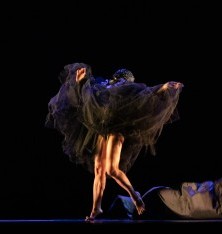
Tea Time with Nejla - Technique as a temporary
Wednesday, July 1st, 2026Day 2 — Technique as a Temporary Agreement
For most of the last century, technique was not a choice.
It was survival.
Technique gave dancers legitimacy at a time when dance was still fighting to be taken seriously.
It offered a shared language, a place to belong, and a kind of protection inside institutions that did not yet trust experimentation.
Technique said, quietly but firmly: If you do this correctly, you belong.
In its beginning, modern dance technique was radical and not because of the steps, but because of the ideas beneath them.
Martha Graham proposed that movement comes from inner necessity.
Lester Horton imagined the body as both architectural and expressive.
José Limón revealed our humanity through weight and breath.
Technique was not form. It was worldview.
Each technique offered a philosophy of how a human being moves through the world.
But over time, something shifted.
What began as inquiry slowly hardened into shape.
What was once a question became an answer.
The agreement changed almost without notice
from this helps us think differently to this is how a dancer should look.
Today, many dancers train in multiple techniques yet belong fully to none.
They are fluent, but unrooted.
Highly skilled, yet often unsure where their dancing actually lives.
What we are witnessing now is not the death of technique,
but the end of its authority.
The question is no longer: What technique do you practice?
The question has become: When does technique stop listening?
My own body has lived through this transition.
I was trained to master form.
And then, slowly, carefully, I taught myself how to disobey it.
Not through rebellion. But through listening.
The future of dance does not reject technique.
It treats technique as a temporary agreement something we enter when it sharpens curiosity,
and something we leave when it begins to dull perception.
Technique becomes a door, not a house.
Every major shift in dance came from refusal.
Isadora Duncan refused ballet’s vertical spine.
Mary Wigman refused beauty as obligation.
Merce Cunningham refused emotional hierarchy.
Judson Church refused virtuosity.
Contact improvisation refused authorship.
Each refusal did not destroy technique.
It created new ones.
And now, once again, we stand at the edge.
The next refusal may be quieter.
A refusal of constant productivity.
A refusal of explanation.
A refusal of visibility as value.
Perhaps the most radical question today is not how we move
but why we continue moving the way we do.
What agreements does your body still honor out of habit rather than necessity?
You do not need to break them.
Just notice them.
And listen for what wants to emerge next.